

A robust accounting system helps restaurant operators control costs, improve profitability, and remain compliant in an ever-changing business environment. QuickBooks time-tracking and payroll features let employees easily log their hours and you approve them. https://investor.mercurylabs.com/powers-accounting-and-business-services-8139/ Easily run reports to see trends—like weekly and monthly pay differences, or payroll costs by kitchen, front of the house, and management—so you can make any necessary adjustments quickly. It’s one of the best methods for dealing with accounts receivable and accounts payable.
What is the difference between bookkeeping and accounting?

Accounting software takes away the monotony of reconciling a business bank account. Advanced reconciliation tools identify potential matches between bank transactions and entered bills and invoices, expediting the process and eliminating the need for extensive record review. Many accounting software services provide free trials for up to four weeks.
- Every ingredient cost fluctuation, labor hour, and operational expense directly impacts whether your restaurant thrives or merely survives.
- Liabilities are things like vendor bills and restaurant equipment loans.
- Instead of just seeing scary-high prime costs or deceiving sales numbers on their own.
- It tracks every financial transaction, from revenue to expenses, offering invaluable insights into the restaurant’s performance.
- Understanding and tracking the right financial metrics separates profitable restaurants from those that struggle.
Ignoring third-party delivery sales
Amid these daily demands, bookkeeping often feels like an overwhelming task that gets pushed to the bottom of the priority list. Yet, accurate bookkeeping is essential for the survival and growth of your restaurant. With a clear understanding of restaurant-specific bookkeeping principles, you can save time, reduce financial stress, and protect your bottom line. This guide will walk you through essential bookkeeping concepts, common challenges, and practical steps to take control of your restaurant’s finances from day one.
Signs you’re ready to hire a bookkeeper
These systems offer the flexibility that restaurant operators need to manage finances from multiple locations or while traveling between sites. This detailed categorization enables precise cost tracking and profitability analysis by department, menu item, or service type. Restaurant365 ($269/month) is built specifically for restaurants with POS integration. QuickBooks Desktop Enterprise ($1,340+/year) is best for multi-location payroll operations. Choose software that integrates with your POS system to avoid manual data entry. Analytix Solutions specializes exclusively in restaurant accounting.
The restaurant industry’s projected growth presents tremendous opportunities for operators who can effectively manage their finances while delivering exceptional customer experiences. Your ability to understand and control your costs, optimize your pricing strategies, and maintain healthy cash flow will determine whether you capture your share of this growing market. Effective restaurant accounting serves as the foundation for cost control strategies that directly impact profitability. Detailed expense analysis reveals opportunities for vendor negotiations, portion control improvements, and operational efficiency gains that might otherwise go unnoticed. Weekly profit and loss analysis becomes more valuable than monthly reports because restaurant performance can vary significantly from week to week.
This is another key cost to track as it represents the bulk of the restaurant’s operating expenses—essential for interpreting financial data. A well-maintained chart of accounts will ensure the restaurant’s compliance with restaurant accounting standards and tax laws. It will also simplify the process of reporting revenue and expenses for tax purposes. These funds often take 1-3 days to reach your bank account, creating timing differences that need tracking.
- If your POS system is fully integrated with your accounting system, you can automate payroll data collection and reduce any errors due to manual entry.
- Many mid-sized restaurants use this approach because it simplifies bookkeeping while still providing reasonable accuracy.
- He implemented Paperchase’s online portal to streamline client communication and reporting.
- You can calculate COGS the hard way… how many you sold of a menu item X how much it cost to make it.
- Payroll laws and taxes are constantly changing so staying in compliance with federal, state, local, and workforce requirements can be a full-time job.
Not everyone speaks fluent accounting… especially not busy restaurant managers. This second calculation tells you that you actually spent $28,000 (not $30,000) to make $80,000 in sales for a profit of 35%. Sure the difference in percentages is only 2%, but that is significant in an industry where the average profit margin is between 4% and 5%. This analysis lets you know what needs to be done to break even and how long it will take to get there. This report uses a combination of numbers from the other areas of your business to project future earnings and expenses. Also known as “sales per seat” or “average ticket” or “average spend per head.
And with tight margins and fluctuating costs, even a busy restaurant can struggle if the numbers don’t add up. However, liquor costs, which can also be referred to as pour costs or simply beverage costs, can seriously increase that amount. That’s why lowering your liquor cost can effectively increase the profits you make from your bar sales. Accounts payable refers to the money a business owes to its suppliers or vendors for goods and services received but not yet paid for. A chart of accounts categorizes all transactions into understandable and manageable groups.

Step 3: Streamline payroll processing
Moreover, by forecasting future income and expenses, bookkeepers assist in planning for growth, whether it’s opening a new location or expanding current services. Therefore, professional bookkeeping is crucial for financial success and sustained growth in the restaurant industry. Through diligent bookkeeping, restaurant owners gain valuable insights that can drive profitability and foster growth. Professional bookkeepers analyze financial data to identify patterns, trends, and potential areas of improvement. To manage these complexities, many restaurants turn to specialized hospitality accounting services. These experts understand the ins and outs of restaurant finance, ensuring accurate, timely accounting and bookkeeping.

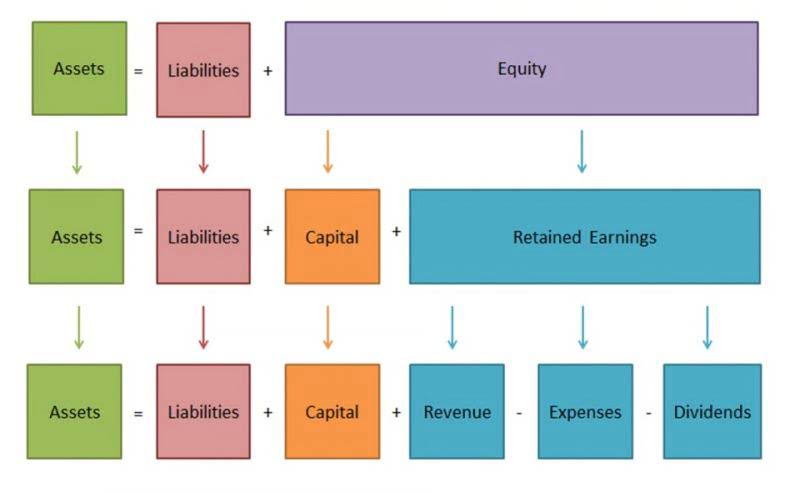
By building on these restaurant bookkeeping fundamentals, you’ll gain a better understanding of your restaurant’s financials. This is just the first step to achieving your restaurant’s financial success. You may have some burning questions about accounting for restaurants and its importance. For instance, what is the difference between accounting and bookkeeping?
